











პროგრამატორი,ADDRESS PROGRAMMER PGD-300


პროდუქტის აღწერა
ძირითადი მახასიათებლები:
- დისპლეი: აღჭურვილია განათებული ეკრანითა და ავტომატური გათიშვის ფუნქციით, რაც ზოგავს ენერგიას უმოქმედობის დროს.
- კვება: მუშაობს 4 ერთეულ AA ტიპის ელემენტზე. ასევე, შესაძლებელია მისი კვება გარე წყაროდან micro-USB A პორტის საშუალებით.
- ინტერფეისი: მართვა ხორციელდება „ზემოთ“ და „ქვემოთ“ ღილაკებით. გაითვალისწინეთ, რომ პარამეტრების შეცვლისას მოწყობილობა ავტომატურად გადაიტვირთება.
ძირითადი მენიუები:
- Device (მოწყობილობა): მოიცავს ფუნქციებს, რომლებიც დაკავშირებულია ინდივიდუალური მოწყობილობის პროგრამირებასთან და წაკითხვასთან: მუშაობის რეჟიმი, მგრძნობელობა, მისამართის მნიშვნელობა, მოწყობილობის სტატუსი და მისამართის მინიჭება.
- Loop (მარყუჟი): მოიცავს მთლიან მარყუჟთან ურთიერთქმედების ფუნქციებს: ავტომატური ძებნა, ავტომატური მისამართის მინიჭება, მოწყობილობის გააქტიურება, კომუნიკაციის ხარისხის შემოწმება, მოწყობილობის ლოკალიზება და სხვა. ამ ფუნქციების გამოსაყენებლად საჭიროა პროგრამატორის შეერთება მარყუჟთან + და – ტერმინალების მეშვეობით.
- Settings (პარამეტრები): საშუალებას გაძლევთ დააყენოთ ხელსაწყოს პარამეტრები, როგორიცაა ენის შერჩევა, ავტომატური გათიშვის დრო (time out) და სხვა.
ტექნიკური დეტალები
The PGD-300 address analyser is an addressable system multifunction tool that also allows to assign
an address to every device. The address ranges from 1 to 250, being unnecessary to save any kind of
range of addresses for individual detectors, modules, or sounders.
The PGD-300 analyser indeed recognises the possibility of a device having multiple addresses, being
detected individually and reserving the corresponding addresses so there is no duplication of addresses
in the automatic system.
The controller has a backlight display, and a configurable switch-off function which allows battery savings
when the equipment is not in use for a determined period.
The analyser is powered by 4 AA batteries that provide it with enough autonomy. Indeed, it admits an
external power supply through a micro-USB A port.
The analyser has 3 main menus:
Device: This includes all the functions related to programming and reading each individual device,
mode, sensitivity, addressable value, device status or addressing.
Loop: This includes all functions related to the interaction with the whole loop, auto search, autoaddress, activate a device, test the communication quality, locate a device and others. For doing so,
it is necessary to connect the programmer to the loop through the + and – terminals of the analyser.
Settings: This allows you to select different tool settings such as time out, language, etc. With the
“up” and “down” keys you can adjust the configuration. Be aware that the analyser will reboot with
each change.
მსგავსი პროდუქტები


საევაკუაციო მიმართულების მაჩვენებელი დაბლა, D, S-lite 30180 Double Faced, Surface mounted

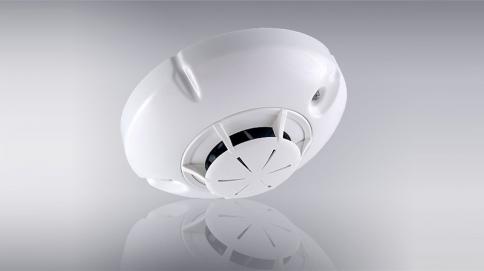
კვამლის სამისამართო დეტექტორი სახანძრო სიგნალიზაციის, ბაზის გარეშე
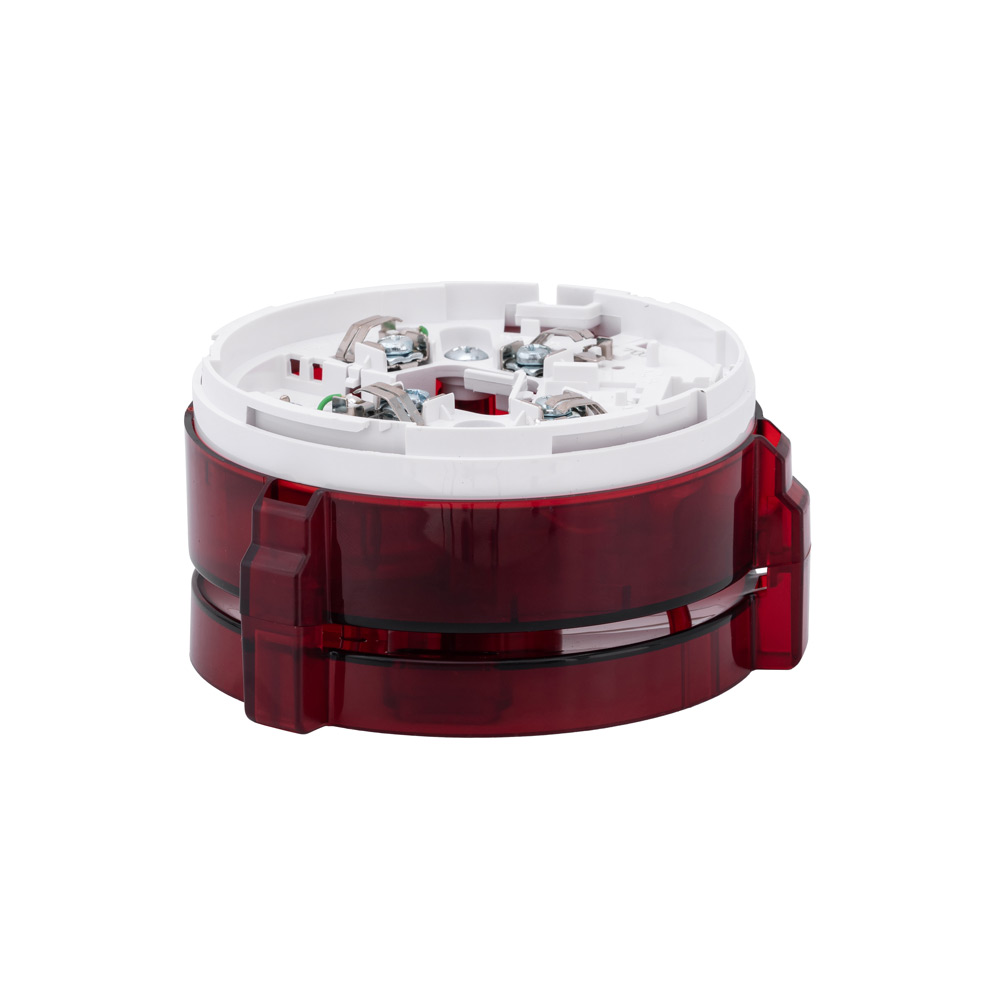

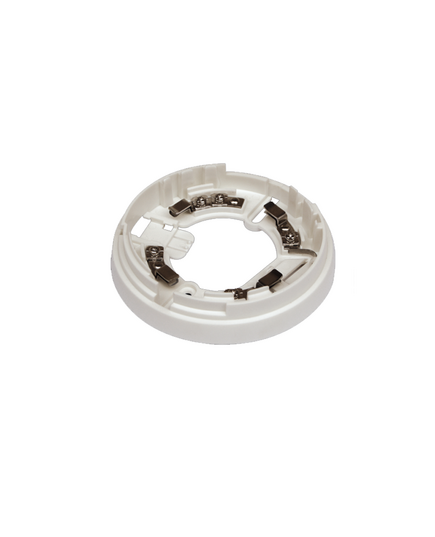
ბაზა INFDIN4AEB0030

საევაკუაციო მიმართულების მაჩვენებელი,A, S-lite 30180 Double Faced, Surface mounted
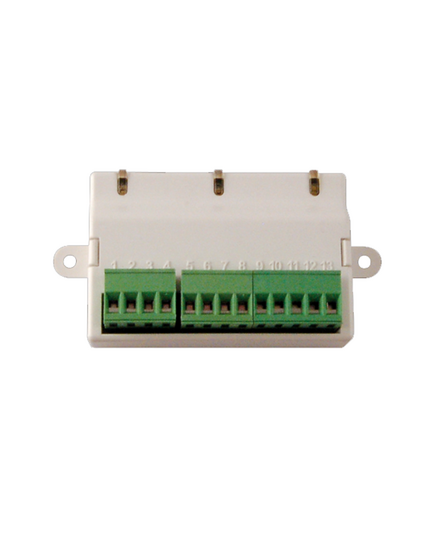
მოდული მინი input/output INFMIN4AEM312SR (06234)

.jpg)
Observer მონიტორინგის პროგრამა
ბოლოს ნანახი


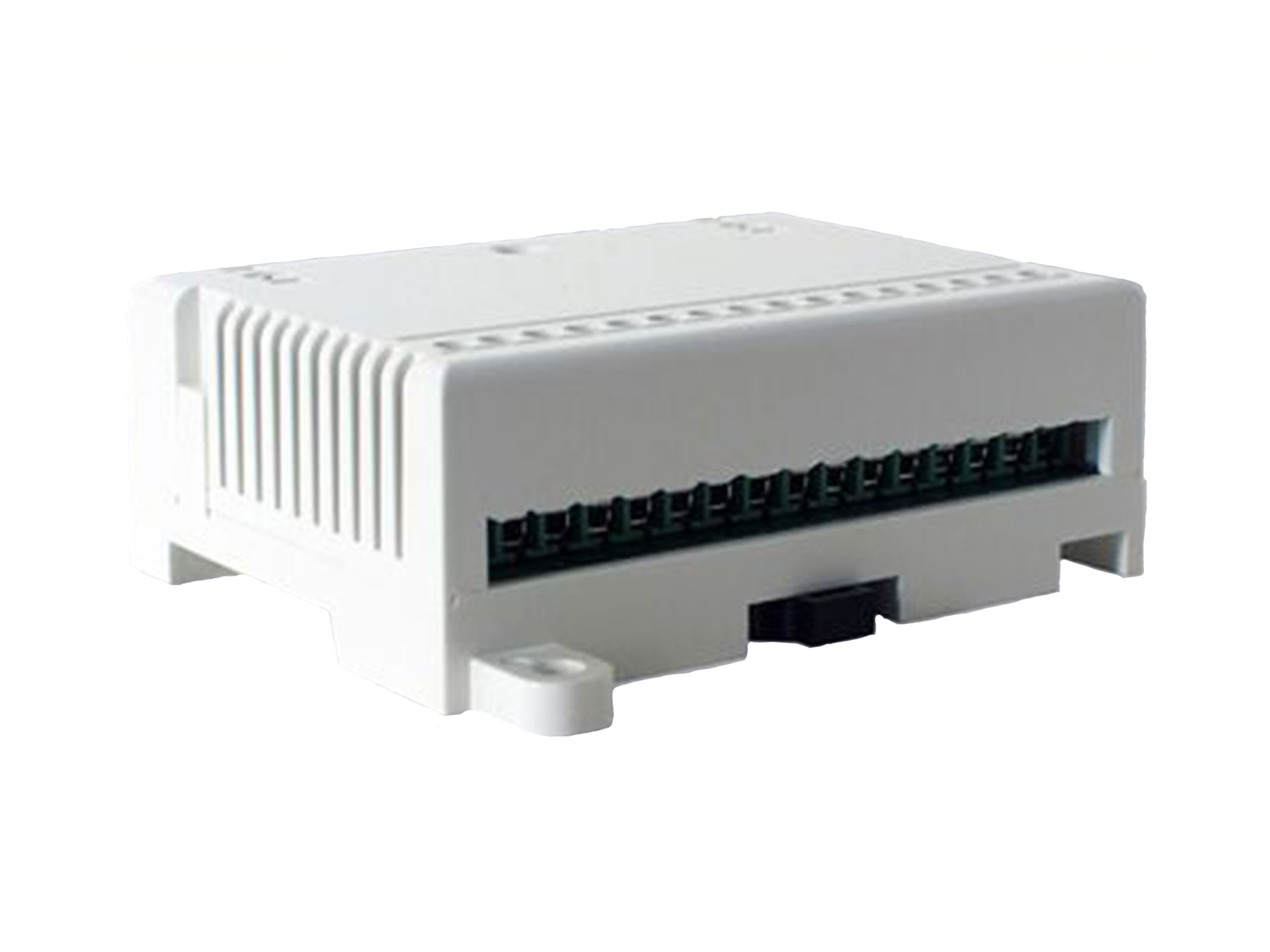
მოდული FD7203 1 in 1 out (05938)